· GH Roofing
New ceiling stains, slipped tiles, loose ridge tiles and damage around roof junctions are reasons to arrange an inspection. They can indicate a repairable defect, but the visible symptom does not establish its cause or the extent of the work.
One broken tile does not automatically mean you need a new roof. Equally, repeated leaks should not be treated as unrelated patches without checking the surrounding covering and the layers beneath it.
Signs to look for indoors and outside
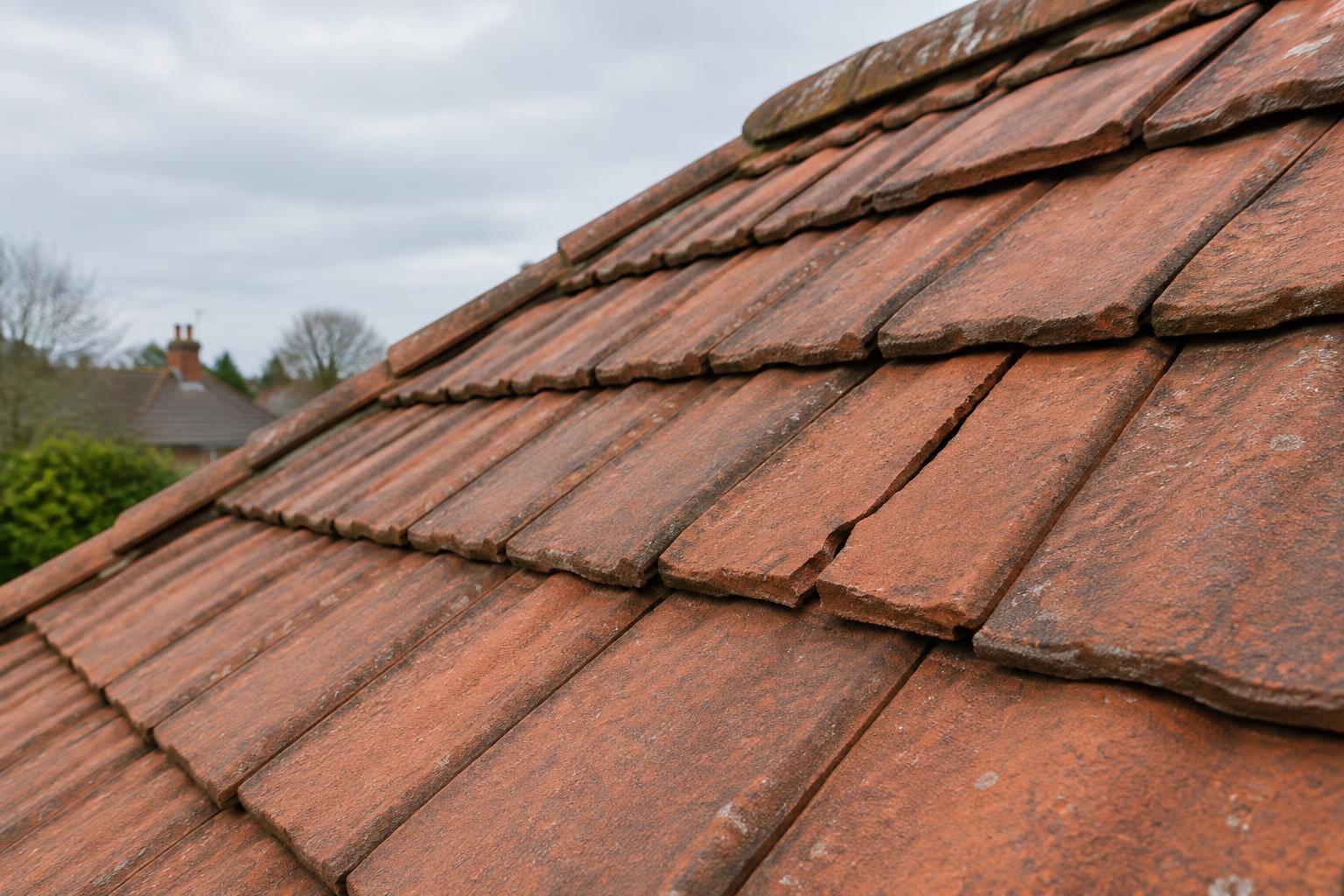
From the ground, look for gaps in the covering, tiles sitting out of line and displaced material along the ridge or roof edges. Pieces of tile or mortar on the ground can also warrant attention. Keep people away from any area beneath loose materials rather than approaching for a closer photograph.
Indoors, note new marks on ceilings, damp around chimney breasts or changes after rain. Water can travel along timbers or other surfaces before appearing, so a stain may be some distance from the entry point. Its position is useful evidence, not a reliable map of the defect.
A stain is not always caused by rain entering through the roof. Plumbing faults and condensation can produce similar marks. Record whether the damp follows rainfall, windy weather or use of a nearby bathroom, without assuming that any one pattern proves the cause.
Why junctions and surrounding materials matter
Roof coverings meet walls, chimneys and other roof slopes at details that need to shed water correctly. Flashings, valleys and verge details can fail even where the main area of tiles looks reasonably even from below. Checking only the tile nearest an indoor stain can miss the actual route of entry.
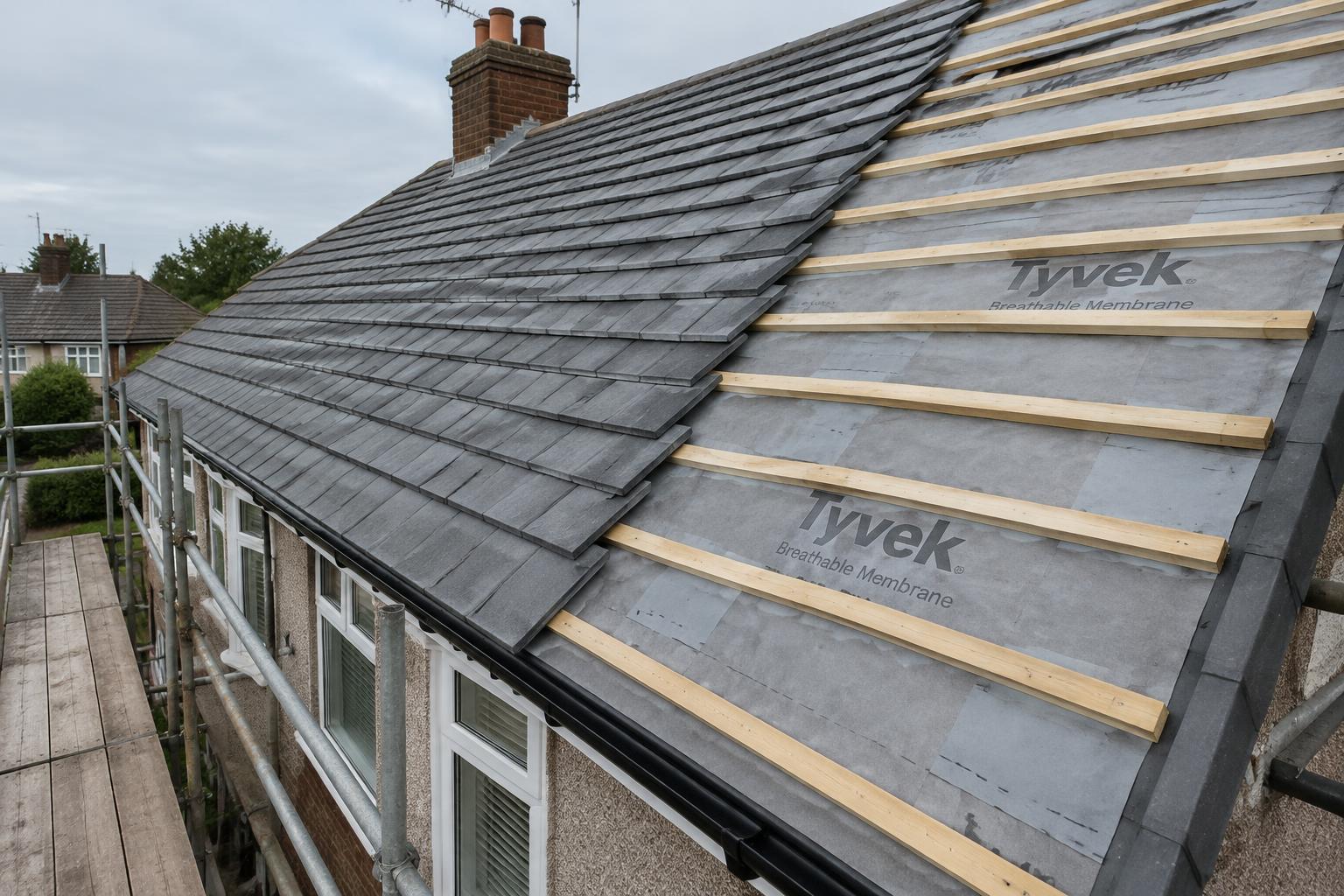
A roofer should consider how the damaged area relates to the materials around it. A replacement tile needs to suit the existing covering and fixing arrangement. Where flashing is damaged, the supporting detail and neighbouring covering also matter, rather than simply covering the visible gap.
The condition of battens and underlay may affect the scope of repair. These layers cannot normally be judged from a ground-level photograph. Ask what the inspection has established, what remains concealed and whether anything needs opening up before a firm scope can be agreed.
Choosing a repair or a wider assessment
A local repair may be appropriate when a defect is isolated and the surrounding roof remains sound. Work could involve replacing damaged pieces or repairing a particular weatherproof junction. The proposal should identify the cause being addressed, not just describe the indoor symptom.
Repeated failures, widespread slipping or deterioration beneath the covering call for a broader assessment. That does not automatically establish that replacement is required. It does mean the discussion should cover why further isolated repairs would, or would not, be sensible.
If previous work has not resolved a leak, share those details. Knowing which area was repaired and whether the symptoms changed helps avoid repeating the same assumption. Ask the roofer to distinguish urgent safety measures from the permanent work being proposed.
Checklist before an inspection
- Record when you first noticed the problem and which weather conditions make it worse. Include whether the mark dries between rainfall events.
- Take photographs from the ground or a safe position indoors. Do not climb onto the roof or lean out to obtain a closer view.
- Note any earlier repairs and collect descriptions of the work if available. Explain whether the same stain has returned or a different area is affected.
- Describe access restrictions, including extensions, conservatories and narrow side passages. These can affect how an inspection is arranged.
- Keep clear of loose materials and unsafe ceilings. If water is near electrics, avoid the area and seek appropriate urgent help.
Questions homeowners ask us
Does a ceiling stain always mean the roof is leaking?
No. Condensation and plumbing faults can also cause damp. Rain-related staining is a useful clue, but the source needs checking because water can travel before it becomes visible.
Can one broken tile be replaced without a new roof?
Often it can, if the surrounding covering and supporting layers are sound. Nearby flashings and junctions should also be checked so the repair deals with the cause rather than only the most obvious damage.
What should I do while waiting for an inspection?
Stay away from unsafe areas and record damage only from the ground or a safe position. Keep people clear of falling materials and do not climb onto the roof. Where water is near electrics, avoid the area and seek appropriate urgent help.
A useful inspection should turn uncertainty about where water is entering into a clear explanation of the next steps. GH Roofing & Property Maintenance is based in Maidstone, Kent.
If you are unsure where the water is getting in, call 07518 378485 or send an enquiry.
Need help with your roof?
For advice on your property, call 07518 378485 or send us an enquiry.